
Relational Values Alliance
Relationships at Home
Caring connections, healthy conflict, and a legacy of serving others — starting where it matters most.
What does flourishing look like
Relational culture at home
What does a flourishing home look like?
Caring connections are valued, "giving first" to others is a priority, and conflicts are reduced and resolved — with the legacy of serving others evident to all.
Research & benefits
What are the benefits of a flourishing home?
Long-term health & longevity
The Harvard Grant Study found that warm, stable relationships are stronger predictors of health at age 80 than cholesterol levels, reducing risks of diabetes, arthritis, and cognitive decline.
Child development & success
Children who participate in household chores grow into adults with better work ethics, higher self-esteem, and more stable careers — because they learn responsibility and teamwork.
Why it matters
The health benefits of a relational home
Strong home relationships don't just feel good — they show up in measurable health outcomes across a lifetime. See the full research on what relational culture does for your body and mind.
Read the health benefits research →Key findings
- Warm relationships predict health at 80 better than cholesterol levels
- Reduced risk of diabetes, arthritis, and cognitive decline
- Children with household responsibilities develop stronger work ethics
- Higher self-esteem and more stable careers in adulthood
Tools & resources
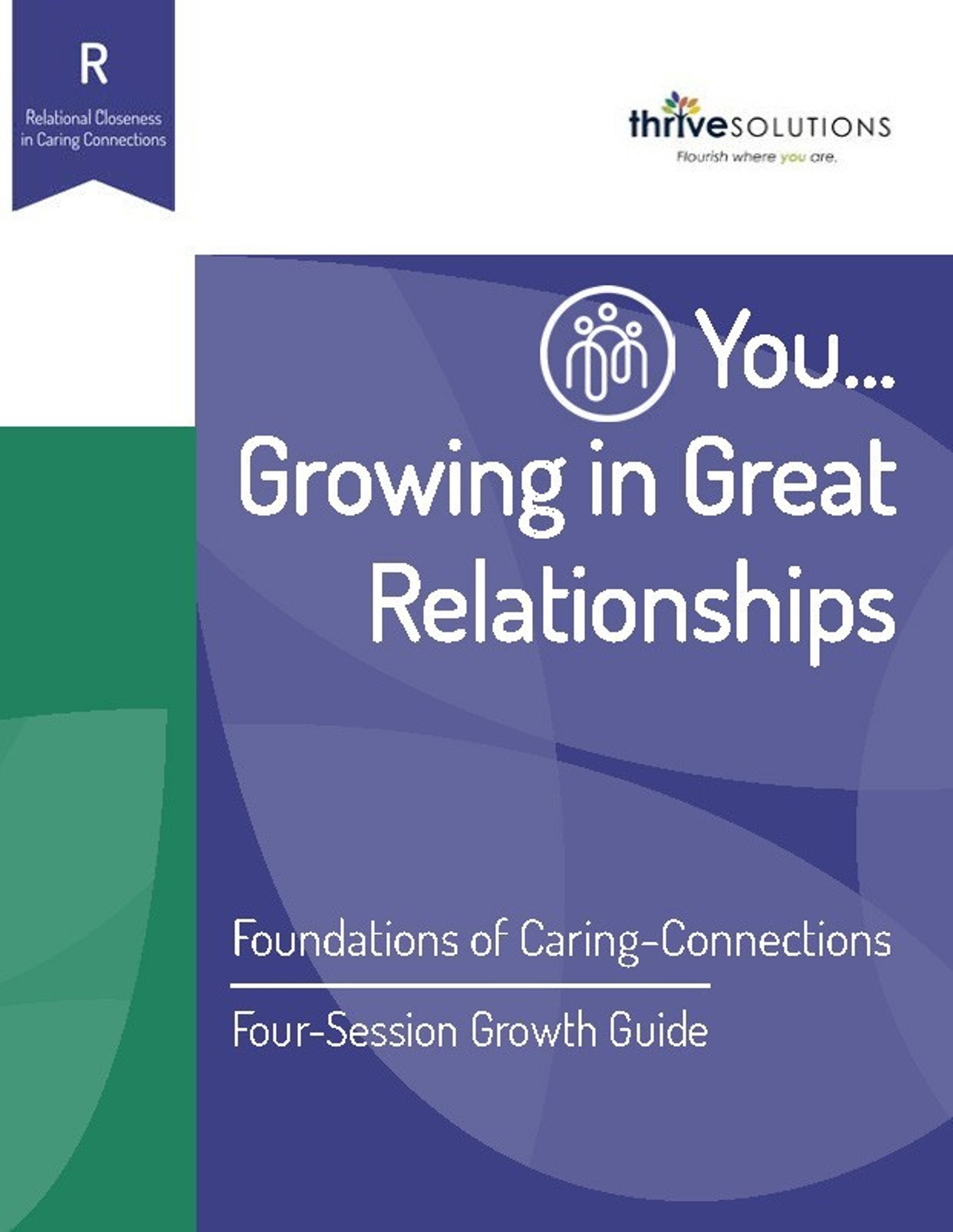
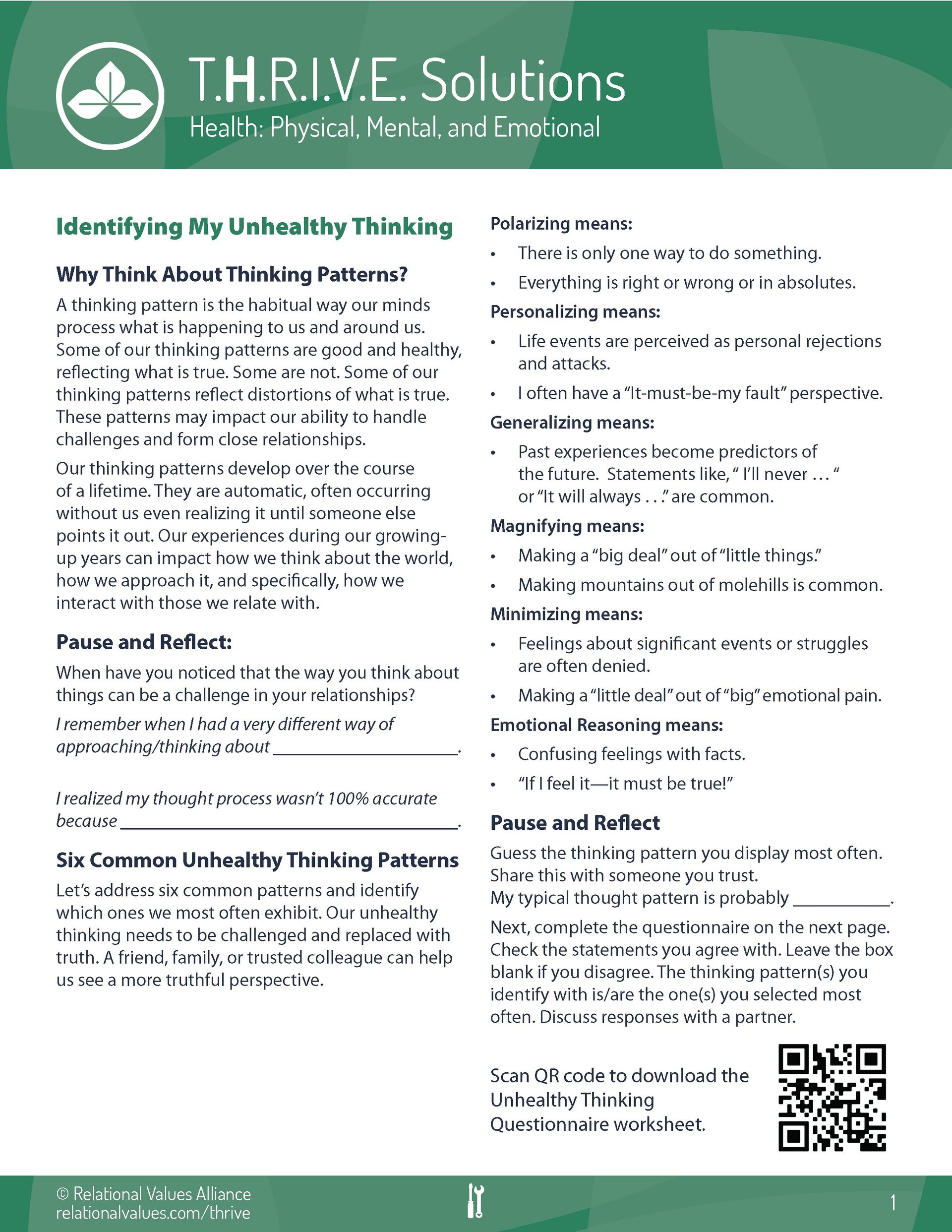
Grow your relationships at home
Keep going
Join THRIVE at Home
Connect with others building healthier homes — access tools, conversations, and resources inside the THRIVE at Home channel.